

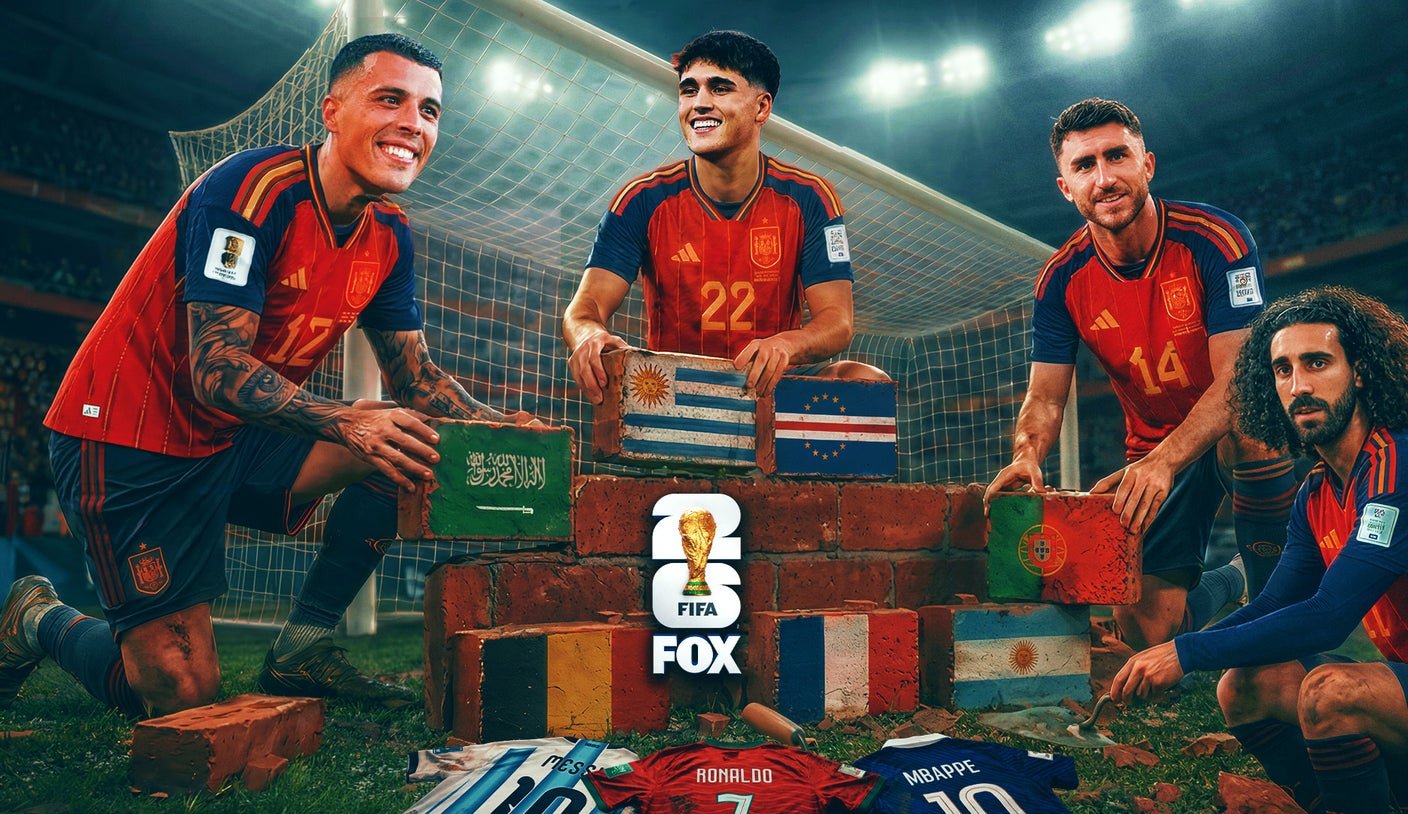
There will be many stories written about Spain’s defense following its 2026 FIFA World Cup title, and for good reason. With all the evidence now before us, we can safely say it was the greatest defensive performance in the history of the world’s most prestigious tournament.
Many people will focus on how Spain was able to keep seven clean sheets in eight games, including Sunday’s 1-0 championship win over Argentina. And there are two broad areas to discuss regarding this. First is the team’s total commitment to its defense, its shape, its formation and its system. The second is La Roja’s ability to hold onto the ball and make opponents work exceptionally hard to try to win possession back. When Spain’s opponents are forced to chase the game most of the time, they are going to be either fatigued, out of position to attack or both.
But to truly comprehend the accomplishment Spain put forth in this tournament and why it was so historic, first think about: 1-in-750.
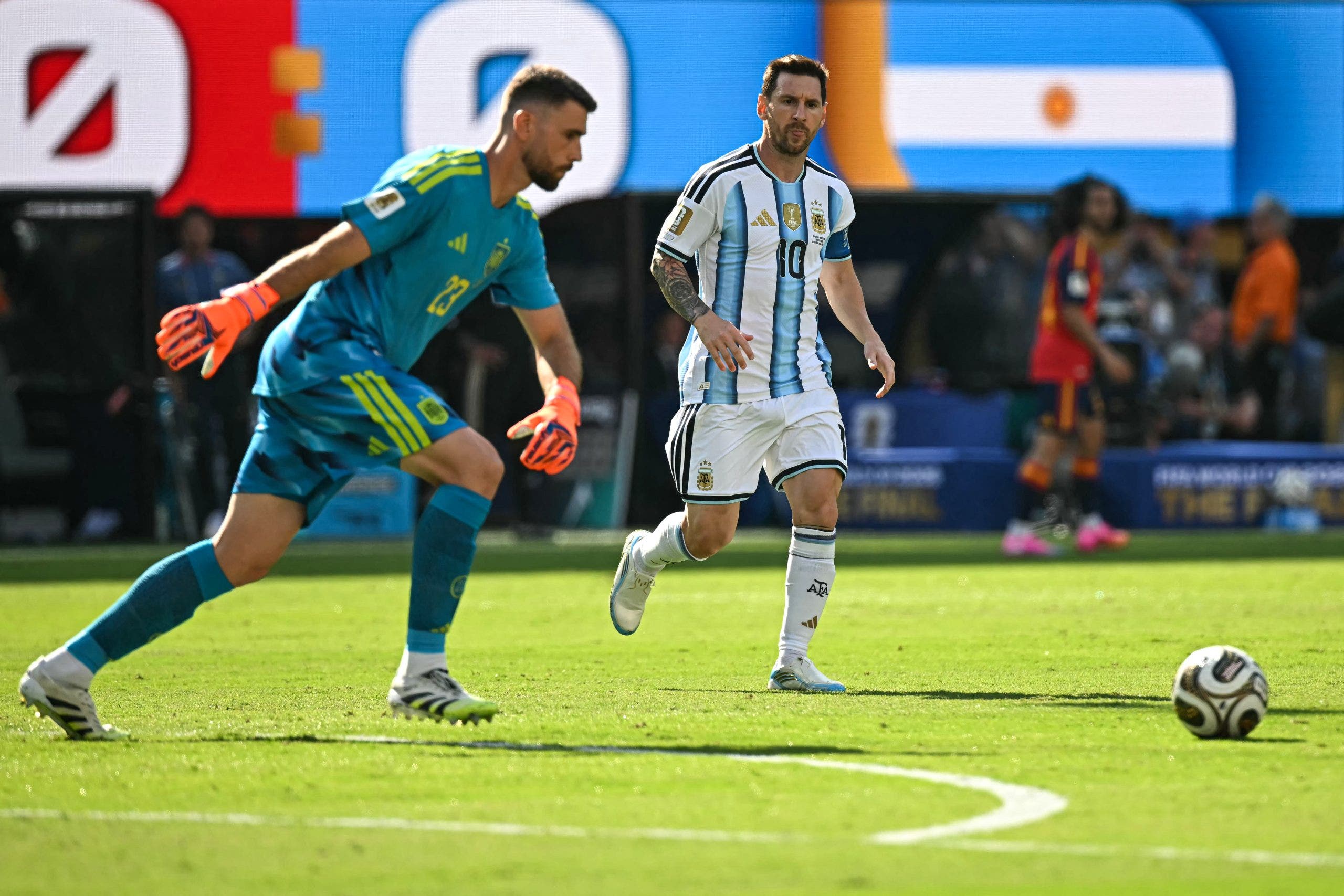
(Photo by Paul ELLIS / AFP via Getty Images)
In 750 minutes of action at this World Cup, Spain conceded just one goal. On aggregate, it outscored its opponents 14-1; it completed 4,869 passes compared to just 2,471 by its opponents. Spain also outshot its opponents, 140-46.
It was one of the most dominant World Cups in recent memory because, while a few teams were able to keep the score close, no one was able to truly play with Luis de la Fuente’s team.
There have been some great World Cup defensive displays throughout history. Spain in 2010, Italy in 2006 and France in 1998 all conceded just twice in their title-winning campaigns. But Spain had to go one step further with the round of 32 making its debut.
But the most important evidence of Spain’s dominance isn’t reflected in the statistics it had over its eight opponents; it is in the names on the back of the jerseys of its opponents.
Spain flat-out dominated a list of players who are not just among the best players in the game right now, but also among the best players to ever play the game.
Record holders, Ballon d’Or winners (past and current), reigning Champions League winners, World Cup winners — none of these players were able to find the back of the net.
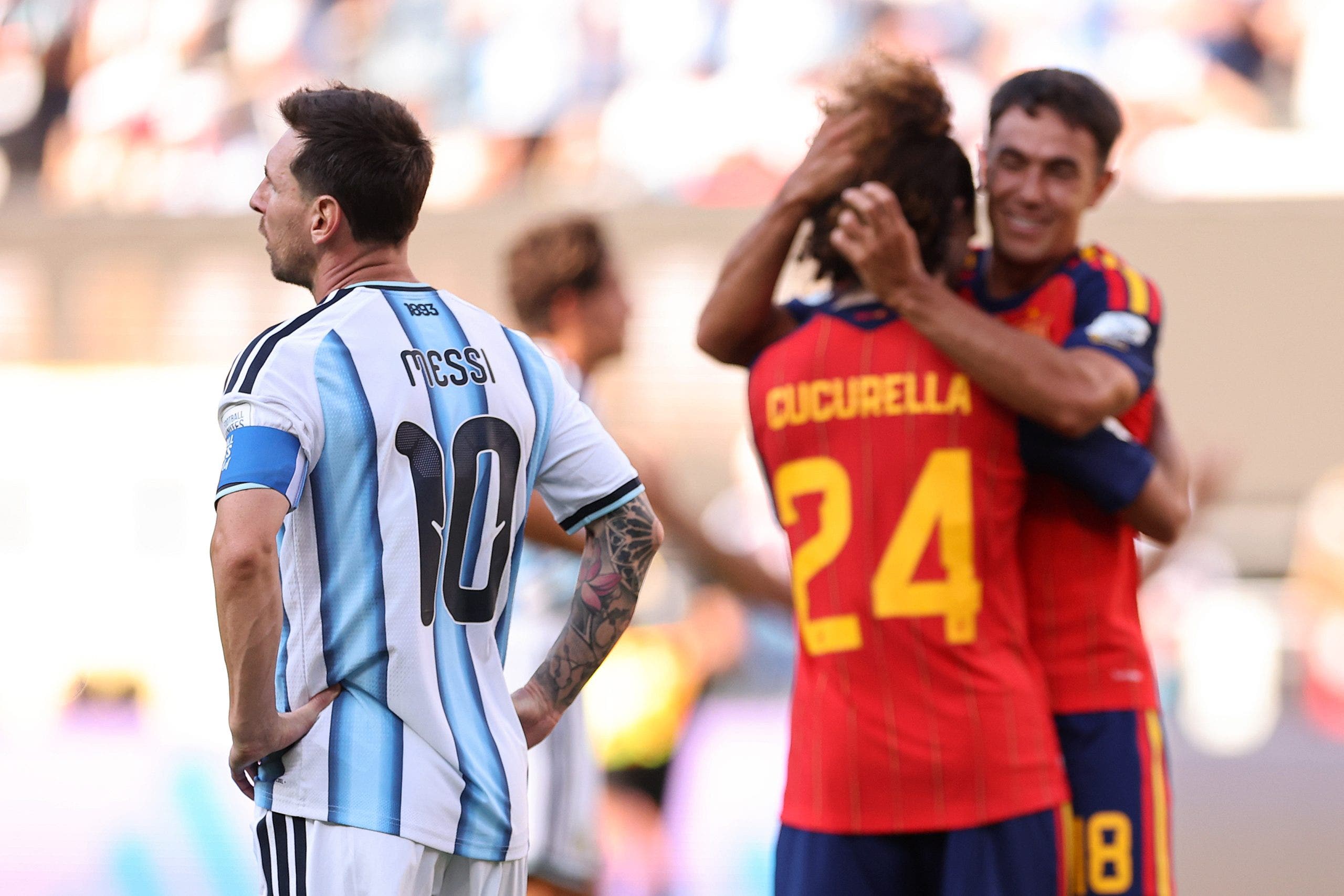
(Photo by Carl Recine/Getty Images)
The game’s all-time greatest player, Lionel Messi, was never even close. The World Cup’s Golden Boot winner and all-time leading scorer, Kylian Mbappé, had no answers, and neither did any of his teammates, including Ballon d’Or winner Ousmane Dembélé or Michael Olise, who set a record this tournament for most assists at a single World Cup.
Before that, five-time Ballon d’Or winner Cristiano Ronaldo was held scoreless when Portugal lost 1-0 in the round of 16. Even more impressively, his high-profile supporting cast was also unable to break through Spain’s defense. This includes Vitinha (who placed third in the Ballon d’Or voting in 2025) and João Neves, who make up the starting midfield for two-time defending Champions League winners Paris Saint-Germain. It also includes Manchester United captain Bruno Fernandes, who was named the 2025-26 Premier League Player of the Season.
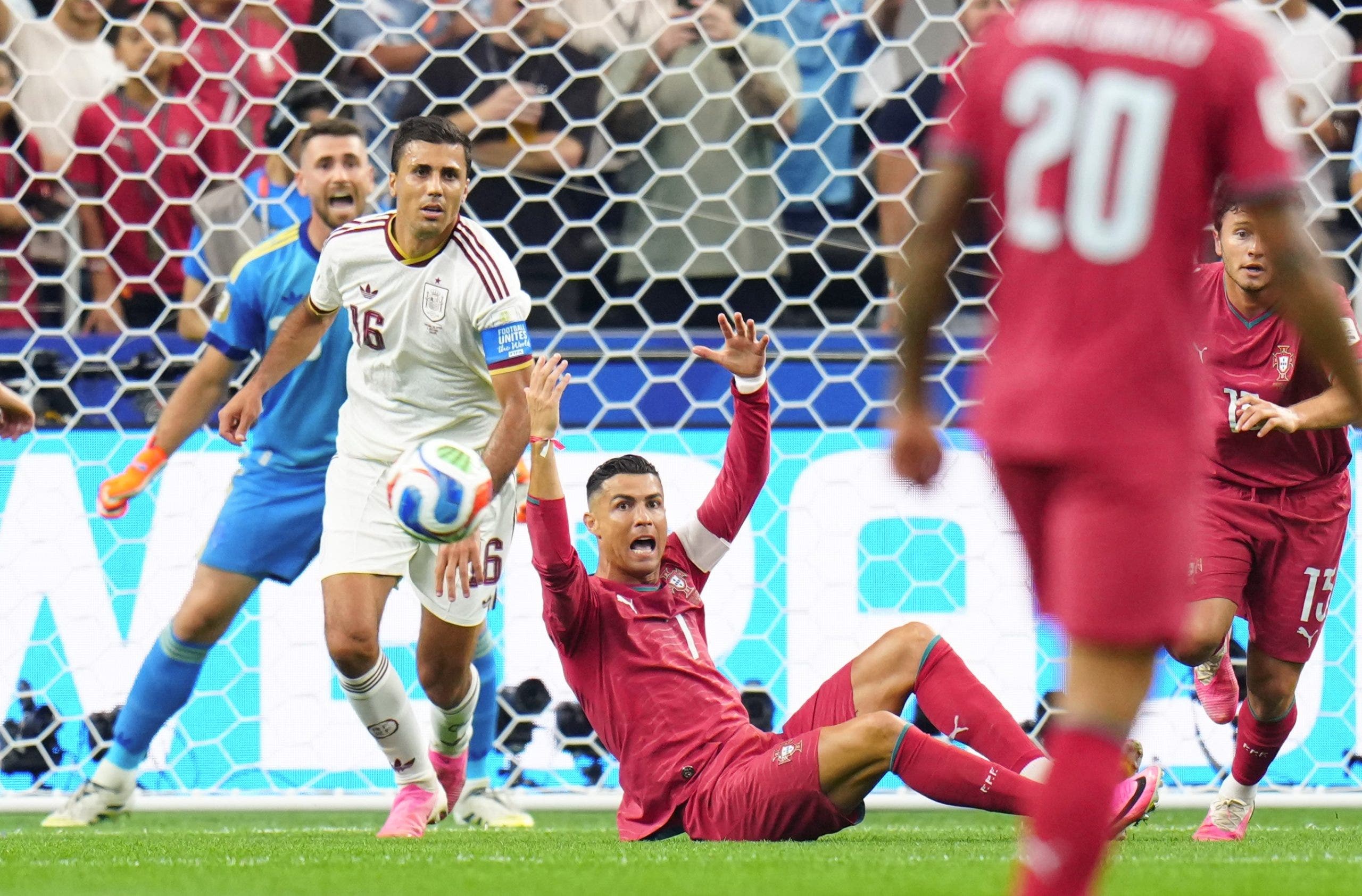
(Photo by Jia Haocheng/Xinhua via Getty Images)
In Spain’s 1-0 win over Uruguay, three-time La Liga winner and Real Madrid mainstay Federico Valverde was ineffective and pulled by Uruguay manager Marcelo Bielsa in the 56th minute. As is the familiar pattern, none of the other Uruguayan players fared any better.
In an odd twist of fate, the only player to find the back of Spain’s net was Belgian forward Charles De Ketelaere, who scored just three goals in 31 Serie A games last season. The only team to prevent Spain from winning was the tiny Cape Verde, which has a population of about 500,000 and was making its World Cup debut.
But regardless of unusual plot twists, it would have been terribly unjust if Argentina or even Portugal, Belgium or any of the other teams were able to score against the run of play and perhaps then squeak by Spain in a shootout. Spain deserved this title. In this sport, sometimes the better team loses. But the game is far better with de la Fuente’s team winning the title.
In addition to being a great performance, it was also groundbreaking. It left the rest of the world with the challenging assignment of figuring out how to break down Spain’s system, which was the backbone of the team’s success.
Not every World Cup raises the bar like this World Cup did. While it was not a nail-biting finale, it was a performance and a tournament that will ultimately elevate the standard of what is required to be the best in the world.
Spain’s Best Moments 2026 FIFA World Cup™ 🇪🇸
