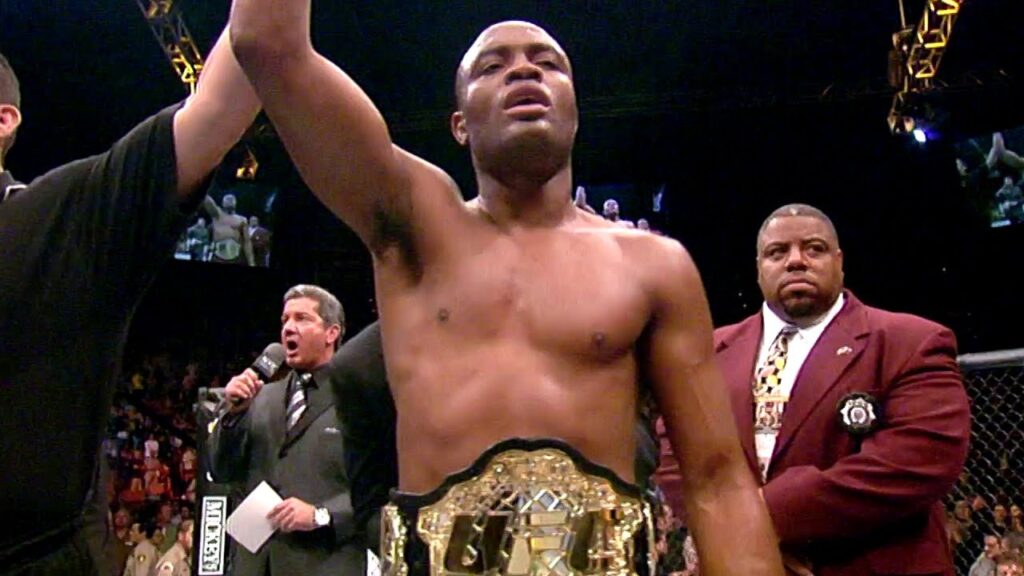

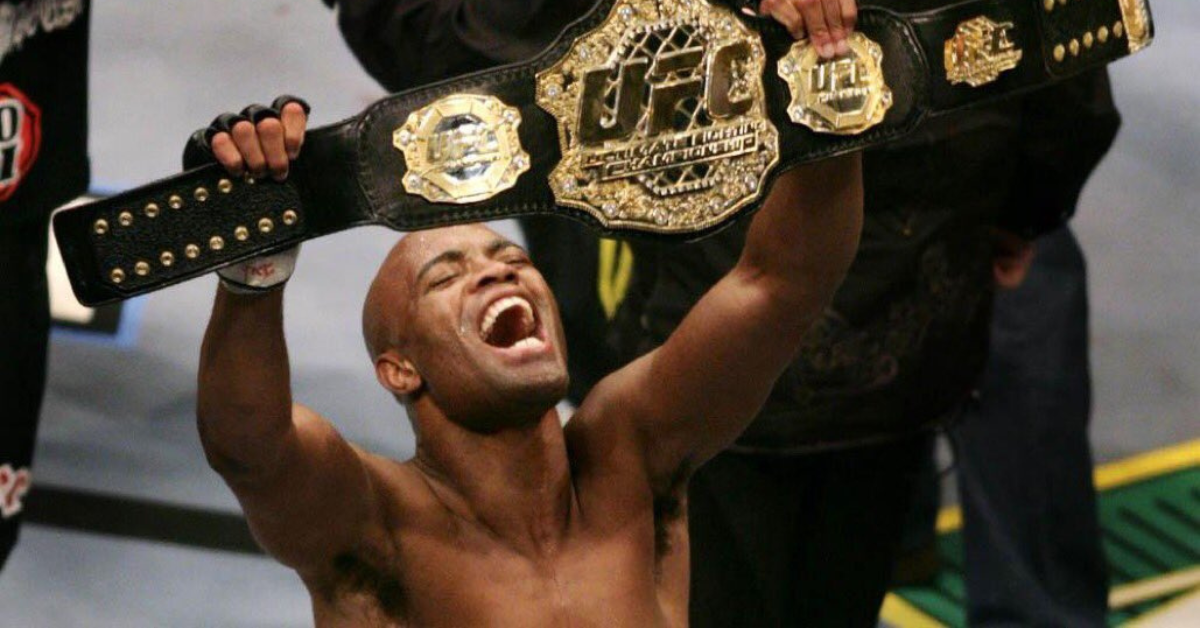
Anderson Silva has claimed the most important payout from the UFC’s historic antitrust lawsuit settlement, securing $10.3 million from the $375 million fund distributed to former fighters. The previous middleweight champion obtained the utmost settlement quantity after a decade-long authorized battle that concluded with last courtroom approval in February 2025.
The Lawsuit Background
The antitrust litigation originated in December 2014 when former UFC fighters Cung Le, Nate Quarry, and Jon Fitch filed a class-action lawsuit in opposition to Zuffa LLC, the UFC’s father or mother firm. The plaintiffs alleged that the UFC operated as an unlawful monopoly, utilizing unique contracts and aggressive acquisition ways to suppress fighter wages and eradicate competitors from rival promotions.
The lawsuit covered approximately 1,200 fighters who competed in the UFC between December 2010 and June 2017. During this period, the court found evidence that the UFC maintained between 71% and 99% market share in the mixed martial arts promotion industry, depending on the measurement criteria used.
Settlement Details and Distribution
The settlement process faced significant obstacles before reaching its final form. Initially, the UFC agreed to a $335 million settlement in March 2024, but Judge Richard Franklin Boulware II rejected this amount in July 2024, stating it was insufficient and incorrectly combined two separate lawsuits. After further negotiations, the parties reached the current $375 million agreement in September 2024.
Following deductions for taxes and administrative expenses, $251.3 million remained for distribution among eligible fighters. The settlement terms specified that fighters would receive 32.7% of their total bout compensation earned during the class period, plus $14,179.33 per fight.
Anderson Silva’s Dominance During the Class Period
Anderson Silva’s substantial payout shows his prominence through the lawsuit’s lined timeframe. The Brazilian fighter competed in 12 UFC bouts between 2010 and 2017, together with seven title defenses. Throughout this era, Silva held the middleweight championship and was producing vital pay-per-view income for the corporate.
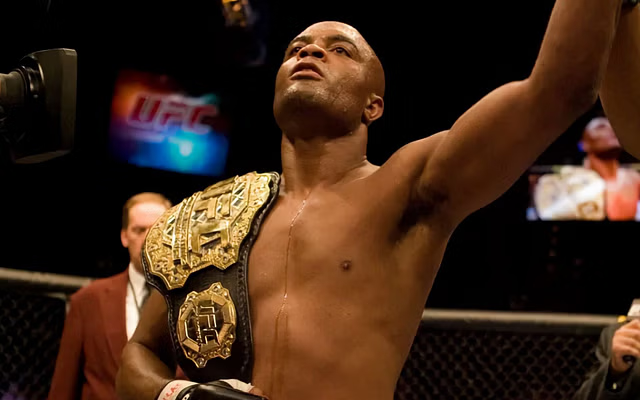
Silva’s championship reign, which began in 2006 and ended in 2013, established him as one of the UFC’s biggest draws and an all-time great. Anderson Silva’s 10 consecutive title defenses remain a UFC record, and his 2,457-day championship reign stands as the longest in company history. Notable fights during the class period included his dramatic comeback submission victory over Chael Sonnen at UFC 117 and his front-kick knockout of Vitor Belfort at UFC 126.
Settlement Impact and Distribution Range
The payout distribution reveals significant disparities among fighters, with individual amounts ranging from $16,138.45 at the lowest to Silva’s $10.3 million at the top. The average settlement was $231,022.29, with a median of $86,034.65. According to preliminary projections, 35 fighters received over $1 million, nearly 100 fighters netted over $500,000, and more than 500 fighters obtained amounts exceeding $100,000.
The settlement agreement notably does not require the UFC to modify its business practices or contractual arrangements with fighters. This limitation has drawn criticism from legal experts who argue that without structural changes, similar antitrust issues may resurface in the future.
Ongoing Legal Challenges
While the Le v. Zuffa case has concluded, two more antitrust lawsuits remain active. The Johnson v. Zuffa case, covering fighters from 2017 to the present, continues to work through the court system and seeks both monetary damages and changes to UFC business practices.
The UFC now faces a third wave of antitrust litigation led by former mild heavyweight Phil Davis, who filed a class-action lawsuit in Could 2025 focusing on the promotion’s alleged monopolistic practices. In contrast to the earlier circumstances that targeted on UFC fighters, Davis’s lawsuit represents non-UFC fighters competing for rival promotions, claiming the UFC’s market dominance harms their incomes potential throughout your entire blended martial arts trade.
The UFC’s settlement represents one of the largest antitrust payouts in professional sports history, acknowledging that the promotion’s practices during the 2010-2017 period violated federal competition laws. For Anderson Silva, the $10.3 million represents recognition of his contribution to building the UFC’s brand during a critical growth period.