

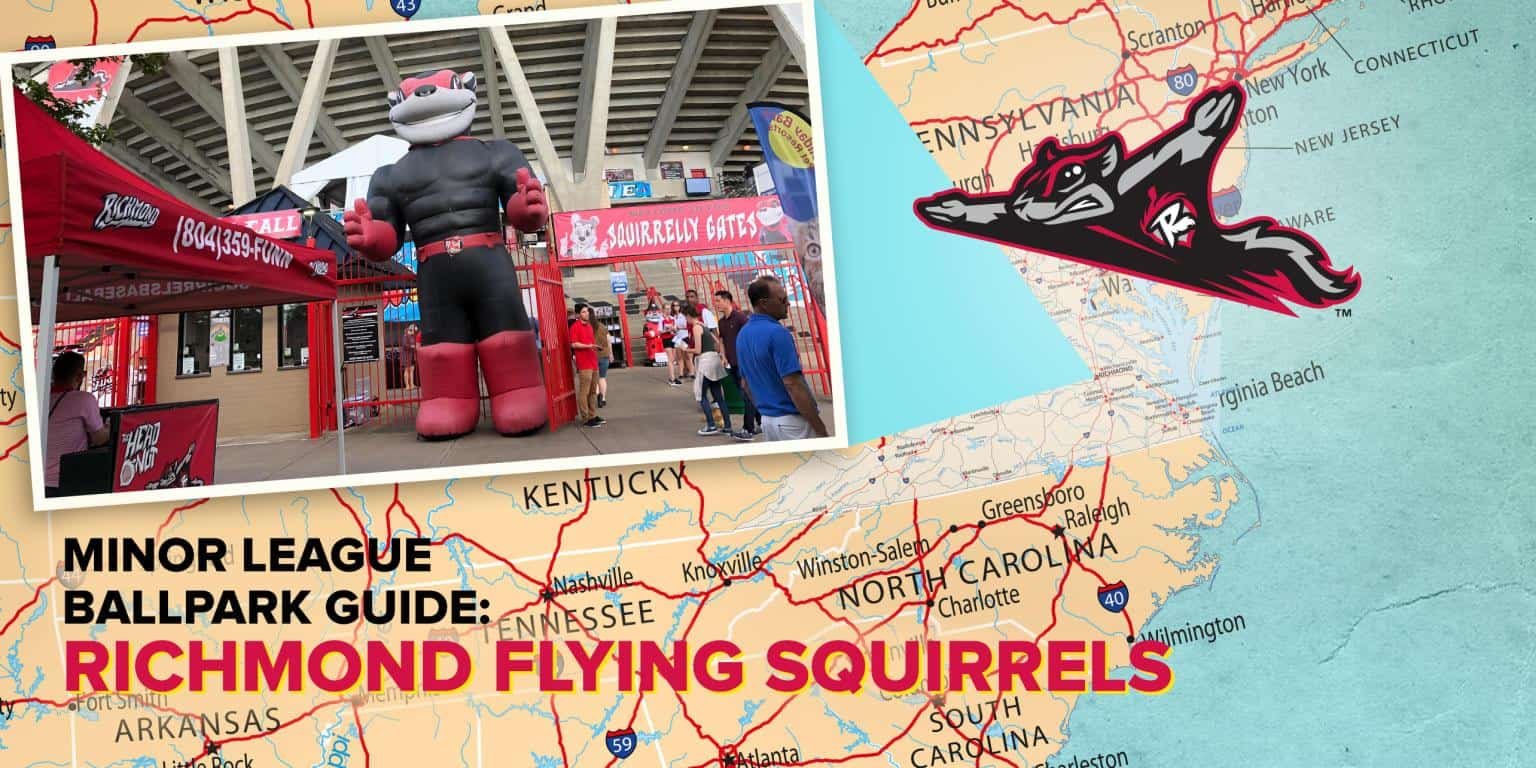
A number of days in the past, we discovered that the Metropolis of Richmond had finally come to an agreement with the builders of the Richmond Flying Squirrels, a minor league baseball crew. For years now, the minor league crew has been threatening to relocate until they had been constructed a brand-new ballpark.
- Right here is the proprietor of the Flying Squirrels in 2015 – “Lou DiBella, President of the Flying Squirrels, (wrote) that the crew’s future within the metropolis is unsure after plans for a brand new stadium seem stagnant.”
- Right here is the proprietor of the Flying Squirrels in 2016 – “I’m using with my pals at VCU on this,” Lou DiBella, president of the Flying Squirrels, stated primarily based on a Memorandum of Understanding settlement that decided every of their roles within the building of a brand new ballpark they might share. This settlement never materialized.
- Right here is the owner of the Flying Squirrels several weeks ago – “The President of the Richmond Flying Squirrels is warning that the town may lose its baseball crew if a brand new stadium isn’t constructed quickly. Lou DiBella, the president of the crew, stated he’s involved with progress on a brand new ballpark”.
When the proprietor wasn’t threatening to go away, Main League Baseball (MLB) would step in and demand upgrades to the ballpark or else….one thing. Over the previous couple of years, MLB has determined to pressure minor league cities immediately into upgrading their native ballparks on the taxpayers dime. This yr, MLB demanded that Richmond replace the ballpark to the tune of $3.5 million value of enhancements. In different cities, MLB can demand city-funded upgrades to the ballparks of $1 million, $5 million and $10 million.
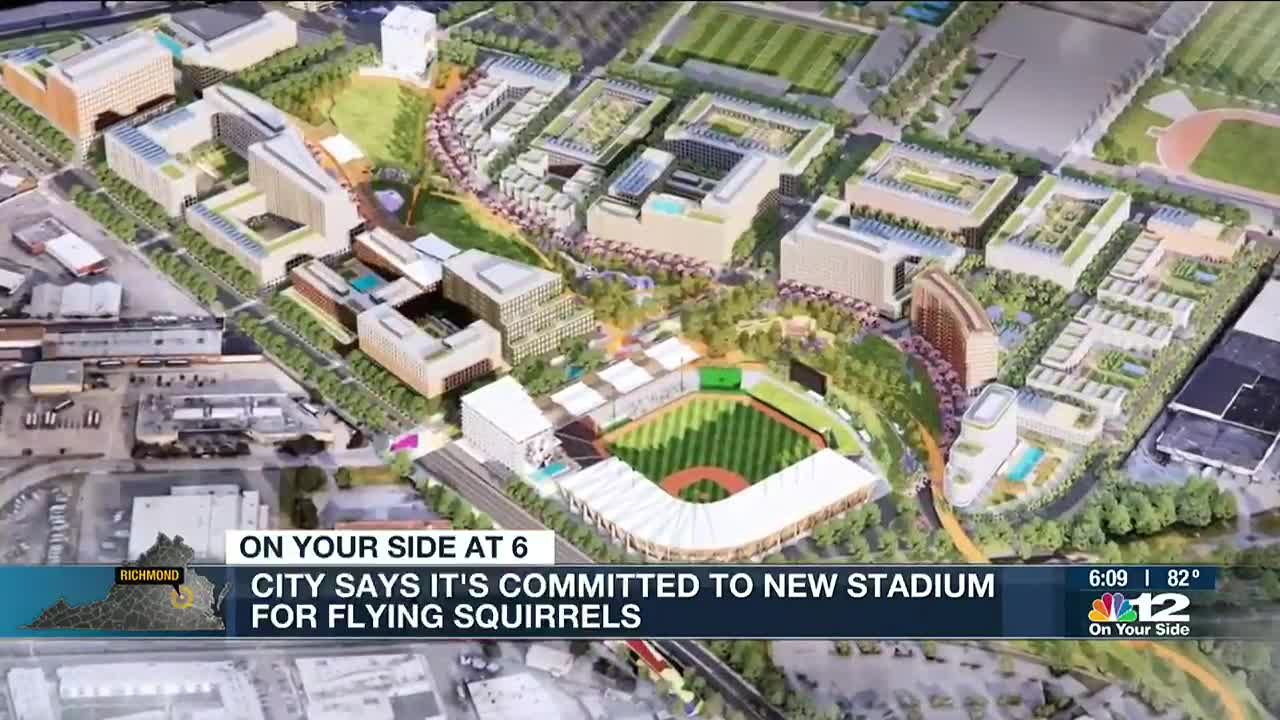
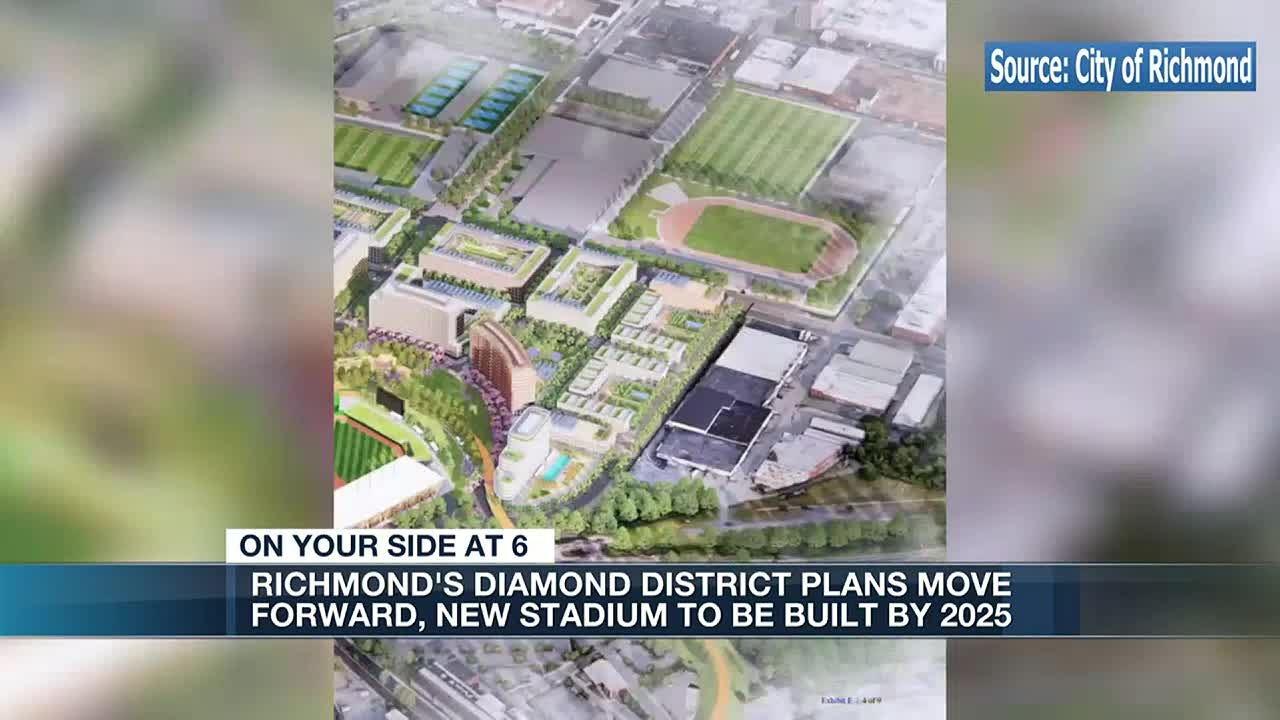
Again to current occasions, the brand new settlement states that all the enterprise will value $2.4 billion and be named the Diamond District venture. Included on this deal is a brand new ballpark that can value $90 million to construct and will seat round 10,000. Different developments on this deal embody the creation of places of work, retail shops, lodges and such within the subsequent stage of this venture. The distinction between this settlement and previous negotiations is that the “city is now planning to foot the bill for infrastructure improvements in the district, an expense the developer had previously agreed to cover”. There can be no new taxes added, however the metropolis agreed to increase the tax increment financing (TIF) district, permitting the crew to seize tax {dollars} from any new growth in that space.
Hopefully, we get a full and correct evaluation of this deal. This mayor has a bit of history with holding again particulars till the final second. For instance, in 2019, this similar mayor tried and did not get an enormous downtown venture off the bottom. She refused to share vital components of the venture with the general public, so a group activist sued the mayor and gained. Simply to see how a lot taxpayer cash can be used on this venture. Fortunately, I’m not the only one who appears a bit frightened about how a lot info we do or don’t have on this deal.
Many components of this venture are being rushed proper now. Rushed deliberately. Despite the fact that a third-party evaluation of this deal gained’t be printed till later this yr, metropolis leaders are asking the council to comply with this deal in a number of weeks anyway. Nonetheless, there are such a lot of questions left unanswered. The Richmond Instances-Dispatch stated in a current story titled “Stadium deal for the Squirrels requires serious oversight”, that this venture nonetheless has a major variety of questions referring to funds, legality and accountability, left to be answered.
For instance:
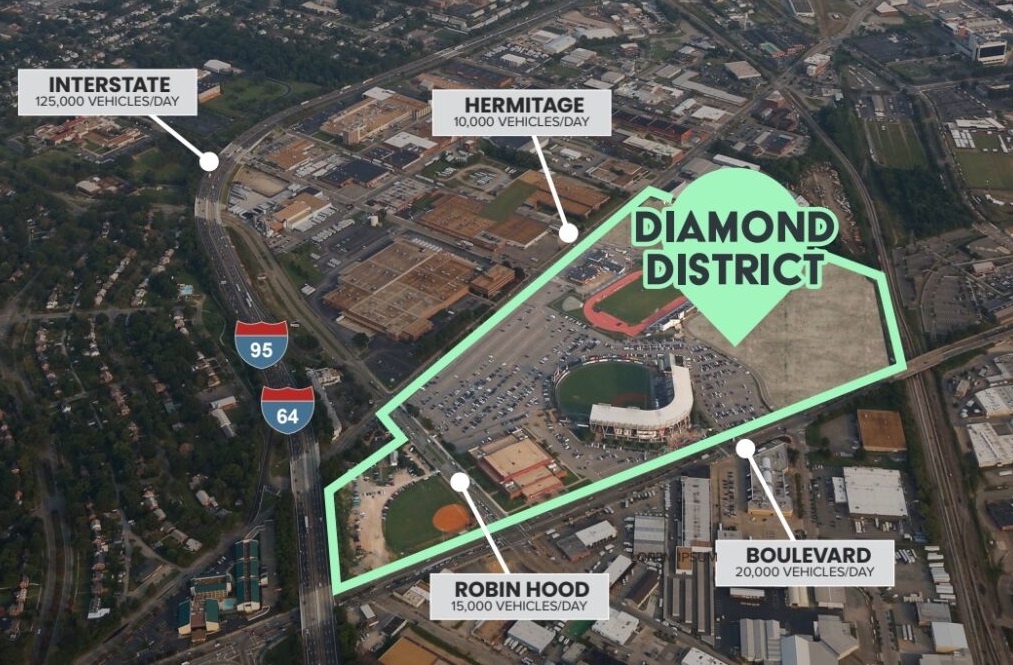
- Are we simply giving the crew 67 acres of largely city-owned property? And we’re financing “a lot of the preliminary public infrastructure … that’s wanted in part 1”?
- Why would the town increase the TIF District from 67 acres to 170 acres? Town has beforehand talked about that they wanted to boost cash in order that they wouldn’t be pressured so as to add a brand new tax on residents. However doubling the TIF district space? This comes off like a transfer executed by somebody on the metropolis who doesn’t really perceive taxes or TIF districts.
- Why is the developer loaning the town’s financial growth authority $20 million AND being paid again at a “whopping 8% interest”?
- Are we actually going to pressure surrounding developments to repay this venture’s debt?
However of all my points, that is the massive one. Metropolis officers are both confused about this deal or are struggling to maintain up with the monetary points of the draft settlement. The Instances-Dispatch famous that TIF district language within the draft settlement says one factor, whereas metropolis officers say it means one thing else. The draft settlement says that 100% of each tax income in that district shall be used to repay the venture’s debt. But, metropolis officers are publicly stating that “only the taxable increase in real estate values … will be diverted to cover bond debt”. That’s fairly an enormous distinction.
Usually, a metropolis would create a authorized entity to supervise all of the funds for this venture. They haven’t even done that yet. Furthermore, we nonetheless don’t know what the ultimate language within the settlement says about funds to the crew when revenues fell brief. Town claims that the builders generously agreed to pay a “special assessment on properties included in the first phase of the project if the revenues fall short”. First part? Particular evaluation? $1 or $10 million? There are such a lot of points left that have to be ironed out. Metropolis leaders want to sit down down, learn this settlement, and begin finding out the various locations wanted for updating and clarification.
This metropolis must get their act collectively earlier than it’s actually too late to avoid wasting taxpayers from a monetary pit. Final week, these similar metropolis leaders had a press convention the place they claimed that reasonably priced housing was a crisis. So what did they do that week? Whereas freely giving tons of of tens of millions of {dollars} in public cash to a sports activities crew? Town voted down a neighborhood nonprofits plan to assemble houses.
