

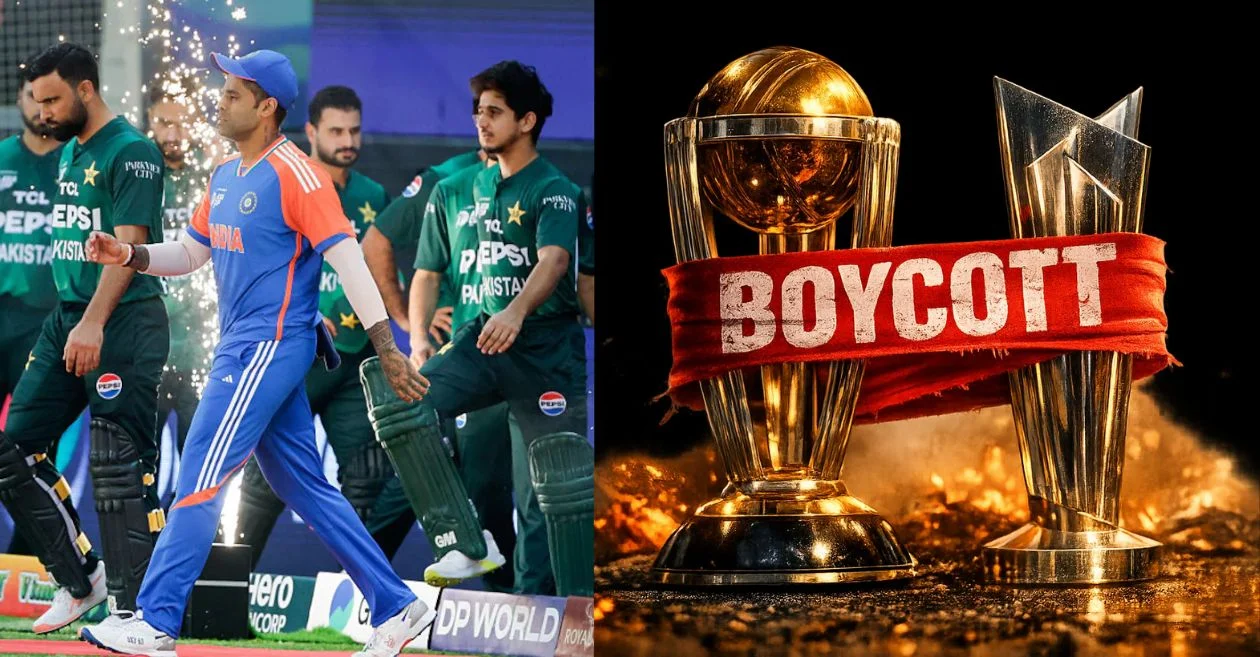
In an unprecedented and seismic shift in world cricket, the Authorities of Pakistan formally introduced on February 1, 2026, that it’ll boycott the high-profile T20 World Cup 2026 conflict towards India. Whereas the crew has been cleared to compete in the remainder of the event in Sri Lanka, they’ve been strictly ordered ‘to not take the sector’ for the February 15 fixture in Colombo. This transfer, framed as a protest towards the ICC’s removing of Bangladesh from the event, has pushed the ‘Mom of all Battles’ into a whole diplomatic freeze.
The Pakistan-India T20 World Cup 2026 boycott
The standoff started after the ICC changed Bangladesh with Scotland in January 2026. Bangladesh had refused to play their matches in India citing safety considerations, and Pakistan, standing in solidarity, determined to boycott the India fixture.
- The Directive: The official assertion from the Authorities of Pakistan on X (previously Twitter) reads: “The Pakistan Cricket Group shall not take the sector within the match scheduled on fifteenth February 2026 towards India.”
- The Penalty: India will obtain an computerized walkover (2 factors), whereas Pakistan faces potential expulsion from the event and the withholding of their $34.5 million ICC income share.
Additionally READ: T20 World Cup 2026: Ricky Ponting’s top picks for leading run-scorer and Player of the Tournament
Groups which have forfeited ICC occasion World Cup matches
When a crew boycotts a World Cup match, it’s a uncommon however tournament-altering occasion. Listed here are the 4 main situations the place groups refused to play:
1. Australia vs Sri Lanka (1996 ODI World Cup)
Following a devastating central financial institution bombing in Colombo by the LTTE simply weeks earlier than the occasion, Australia cited ‘unacceptable’ safety dangers. Regardless of ICC’s assurances and a high-profile ‘solidarity match’ that includes an Indo-Pak joint crew in Sri Lanka, the Aussies refused to journey.
- Influence: The match was forfeited; Sri Lanka gained 2 factors with out taking part in.
2. West Indies vs Sri Lanka (1996 ODI World Cup)
Mirroring Australia’s stance, the West Indies additionally declined to journey to Colombo, citing the identical security considerations. The ‘security first’ strategy by the large groups inadvertently fueled Sri Lanka’s momentum.
- Influence: Sri Lanka acquired a second walkover, serving to them cruise to the Quarter-Finals and ultimately win the World Cup.
3. England vs Zimbabwe (2003 ODI World Cup)
In a extremely politicized boycott, England refused to play in Harare, Zimbabwe. Whereas the official cause was ‘safety,’ the transfer was pushed by the UK authorities’s protest towards the human rights file of the Robert Mugabe regime.
- Influence: Zimbabwe was awarded the factors, a loss that led to England’s humiliating early exit from the event.
4. New Zealand vs Kenya (2003 ODI World Cup)
New Zealand refused to journey to Nairobi, Kenya, after receiving particular intelligence relating to a possible terrorist menace. They requested a venue change to South Africa, which the ICC denied.
- Influence: Kenya was awarded a walkover. These ‘free factors’ have been the first catalyst for Kenya turning into the primary (and solely) non-Take a look at nation to succeed in a World Cup Semi-Ultimate.
Abstract Desk: World Cup Forfeitures
| 12 months | Boycotting Group | Opponent | Acknowledged Purpose |
|---|---|---|---|
| 1996 | Australia | Sri Lanka | Security (LTTE Bombings) |
| 1996 | West Indies | Sri Lanka | Security (Safety Issues) |
| 2003 | England | Zimbabwe | Political (Mugabe Regime) |
| 2003 | New Zealand | Kenya | Safety (Terrorist Risk) |
| 2026 | Pakistan | India | ICC Governance/Bangladesh Row |
Additionally WATCH: Mitchell Marsh breaks silence on Pakistan’s boycott of India game and Bangladesh’s T20 World Cup 2026 withdrawal
