

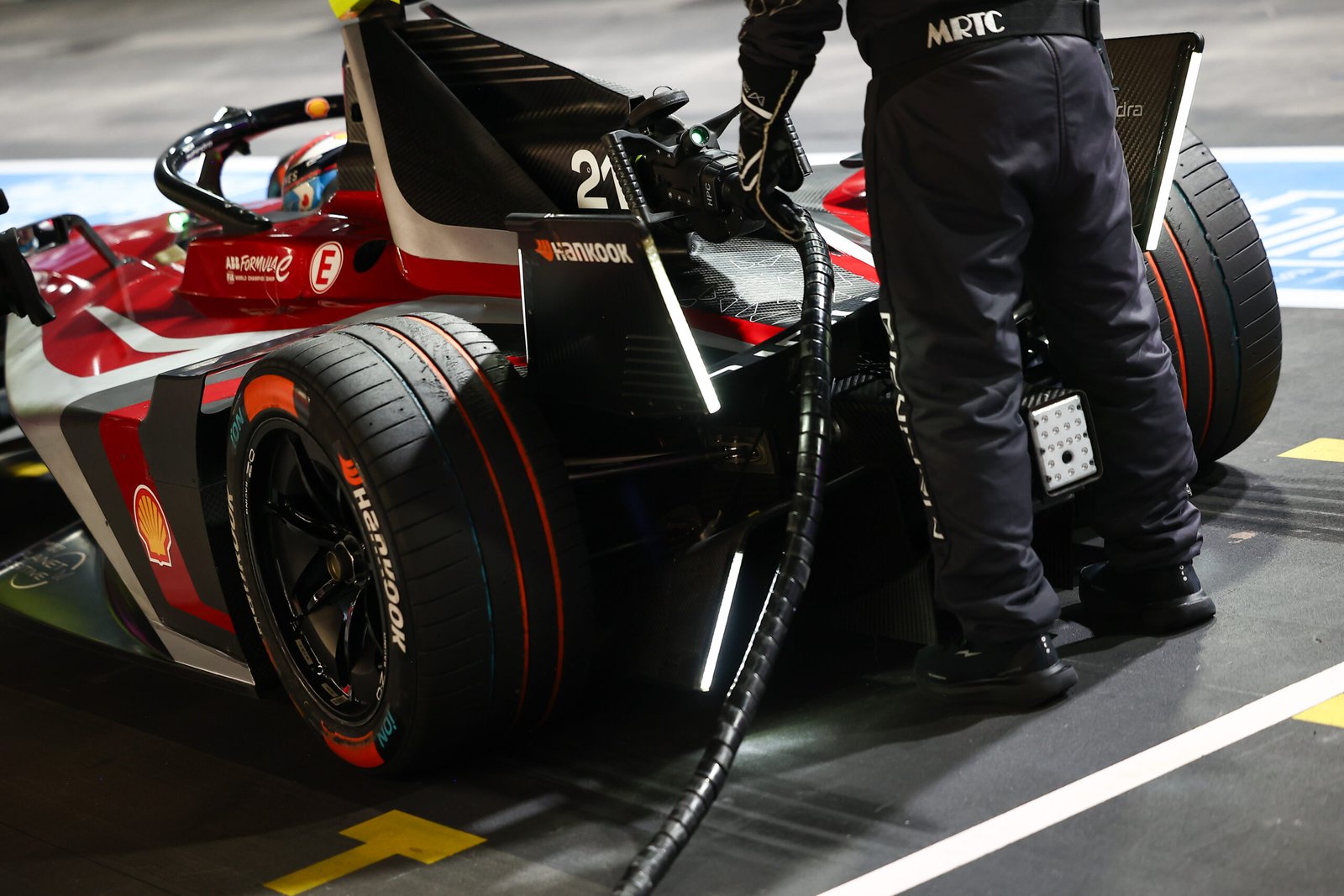
How the creation of a regulatory framework for all motor sport power sources is making FIA competitors safer and selling sustainability mobility
Lately accredited by the World Motor Sport Council, a brand new part inside the Worldwide Sporting Code gives motor sport stakeholders with a transparent baseline for creating sustainable energy sources for competitors. FIA Technical Engineering Director Thomas Chevaucher explains how Article 266 of Appendix J units a secure commonplace and descriptions the way it will develop sooner or later
The FIA’s power transition roadmap ensures that motor sport stays on the chopping fringe of technological innovation, remaining not simply related, however important to the way forward for sustainable mobility. As a part of this mission, set out by FIA President Mohammed Ben Sulayem, the FIA Technical Division is within the means of defining the gradual introduction of sustainable energy sources throughout motor sport, and as a way to guarantee this occurs, the related laws additionally must be developed.
On the floor, World Motor Sport Council approval for the creation of a brand new article to sit down inside the in depth appendices of the Worldwide Sporting Code carries little of the simple information enchantment of championship calendar reveals or incident-related guidelines updates. However whereas outwardly missing the gloss of a brand new race location or the glamour of an incoming competitor, it’s these totally researched and punctiliously worded revisions that not solely outline how present competitors is carried out however usually assist to form the way forward for motor sport itself.
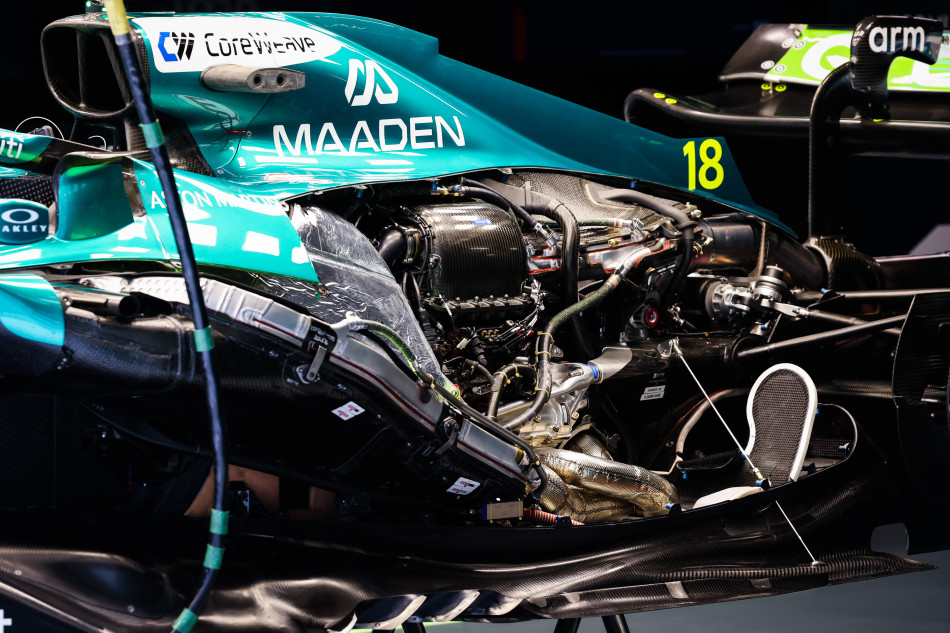
Article 266 of the Worldwide Sporting Code is simply such a mechanism. Initially developed by the technical and security analysis teams and guided by specialists from the FIA Electrical and New Vitality Championships (ENEC) Fee, the article was accredited by the October assembly of the World Motor Sport Council for inclusion inside Appendix J of the ISC. It creates a common regulatory framework for all power sources utilized in FIA competitors. And whereas which may sound dusty and bureaucratic, the meeting of a set of baseline calls for for competitions and sequence utilizing the array of power sources now in play in motor sport is vital to the event of future motor sport and vastly necessary on the subject of selling the broader uptake of sustainable mobility options, as FIA Technical Engineering Director Thomas Chevaucher explains.
“In case you return a number of years in the past, there was nothing apart from gasoline. Now, with the appearance of recent applied sciences and various power sources, the panorama has modified enormously,” he says. “A type of sources is hydrogen and a while in the past we started to formulate laws for hydrogen energy in motor sport. It was whereas creating these laws that we thought: ‘the constraints we’re going by with hydrogen are just like what we went by for high-voltage expertise. It’s not the identical danger, it’s not the identical mitigation, however conceptually it’s the identical— we’re storing a brand new power and we have to outline how to do this safely’. At that time we started to see a wider want – to drag all the brand new power sources collectively to create a single level of reference throughout all of our championships. After which to share greatest apply from one to a different.”
Setting technical requirements – throughout championships
The result’s Article 266, a doc that defines find out how to formulate and retailer combustive or conventional fuels, superior sustainable fuels, excessive voltage power and hydrogen. It’s, says Chevaucher, a method of simplifying what had the potential to grow to be a complicated vary of calls for from sequence to sequence.
“The reality is that this has by no means been seen as a world power change for motor sport,” he says. “Components E, WEC, all of the classes that use high-voltage expertise, have laws that have been developed independently. Superior sustainable gasoline is utilized in two classes, with the identical course of. To now have all the pieces in the identical place means a class wishing to maneuver to, say, superior sustainable gasoline now has a transparent roadmap to comply with. And that’s necessary as a result of using new applied sciences is a key factor for automotive and for motor sport within the coming years.”
Nonetheless, regardless of every of the laws making particular calls for of producers, the brand new laws don’t curtail variation or innovation within the improvement of propulsion programs. =
“I’d say we’re giving a suggestion on how we need to construct what we name an Vitality Storage System – whether or not that may be a Rechargeable Electrical Storage System (RESS) for electrical automobiles or a liquid hydrogen storage system or a gasoline tank – in order that the storage of that power is secure. And when it comes to the supply, hydrogen is hydrogen and electrical energy is electrical energy, however gasoline will be loads of issues. So we’re additionally defining the gasoline. =
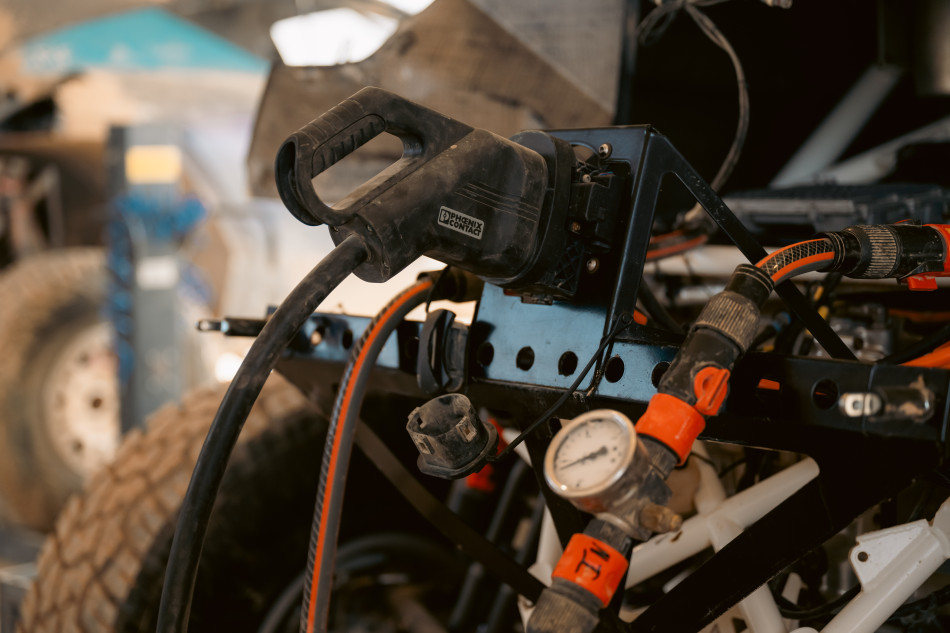
“Take Cross-Nation for instance,” says Chevaucher. “It’s a class by which there are loads of prototype automobiles and the place producers can kind of do what they need when it comes to how they energy a automobile. Nonetheless, to have the ability to enter FIA Cross-Nation races, they are going to now need to adjust to this new set of laws or we will’t settle for them, as a result of they aren’t secure sufficient. As soon as they’re compliant then they will absolutely discover all the chances the championship’s laws enable. Once more, when you take a look at Components E batteries in comparison with Components 1 batteries, they’re very totally different. They’re nonetheless complying with this new regulation, however the parameters are very totally different. However that distinction is outlined within the class regulation.”=
Fuelling the way forward for motor sport
Whereas he says that the laws inside Article 266 have been set at “the present data of the expertise” Chevaucher provides that they represent a ‘dwelling doc’ and {that a} devoted group inside the FIA will deliver updates to the principles as expertise is refined or new applied sciences emerge.
“We have now tried to collect the cutting-edge on all these totally different power sources however there’s all the time extra,” he says. “To handle that we just lately created a devoted Analysis and Improvement group inside the Technical Division of the FIA to focus purely on future expertise.=
“At present the group is principally engaged on the event of the complete set of hydrogen laws however as soon as that course of is full the main target will grow to be broader and following the strategic path of the ENEC Fee, they are going to have accountability for all new power sources and the way these develop.”
Constructing greatest apply
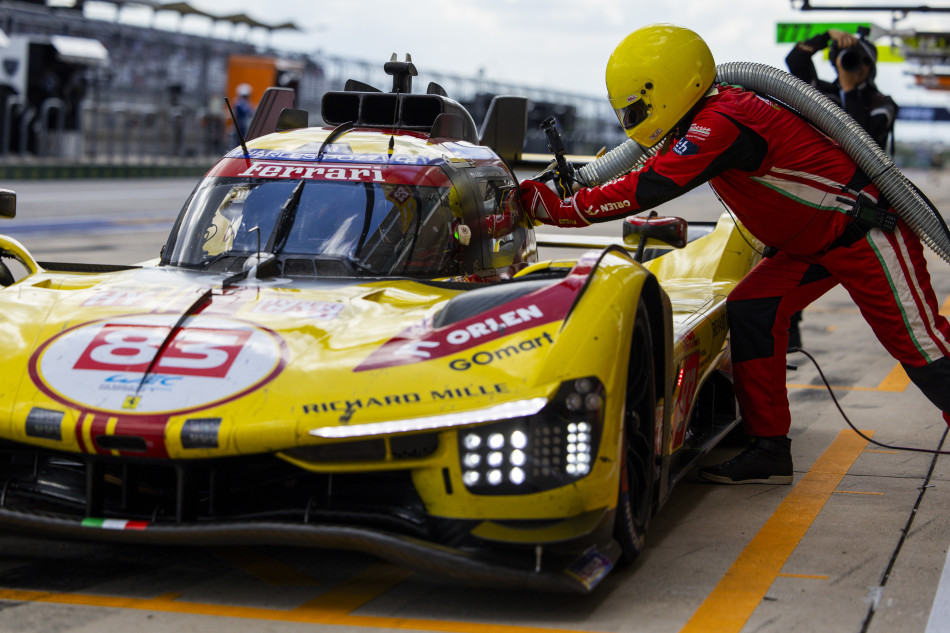
Defining laws to satisfy the eventualities of applied sciences that haven’t but been broadly adopted or explored, would appear to be akin to pinning a technical tail on an invisible donkey, however Chevaucher says a mixture of rigorous testing and whole-industry experience helps the FIA to reach at clear future laws.
“That’s the problem,” he says. “You need to promote use of a expertise that isn’t but widespread as a way to develop sustainable mobility and competitors, however usually points usually are not but obvious, so you are attempting to anticipate what would possibly go unsuitable. To provide one instance, we’re at the moment attempting to do failure evaluation on hydrogen storage tanks. We have now constructed prototype tanks that we harm on function to see what occurs.
“We have now the goal to enhance the extent of all of the laws,” he concludes. “It’s actually necessary for us to say: ‘OK, let’s share this data with everybody, guarantee that any power regulation is there, that’s they’re straightforward to seek out, clear and easy after which construct upon that’. It’s our job to guarantee that all the pieces written there’s saved on the high stage.”
